TOCC Aesthetics did not come to us asking for a full business automation system on day one. The first problem was visible and simple: the client had a ChatGPT-generated logo that looked generic for a medical aesthetics brand. Once we solved that first layer, the project naturally became a complete journey from identity to website, social media, CRM, subscriptions, and active Meta ads.
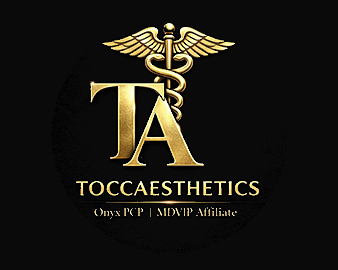 ChatGPT logo draft
The starting point: usable as a direction signal, but too generic for trust-led medspa marketing.
ChatGPT logo draft
The starting point: usable as a direction signal, but too generic for trust-led medspa marketing.
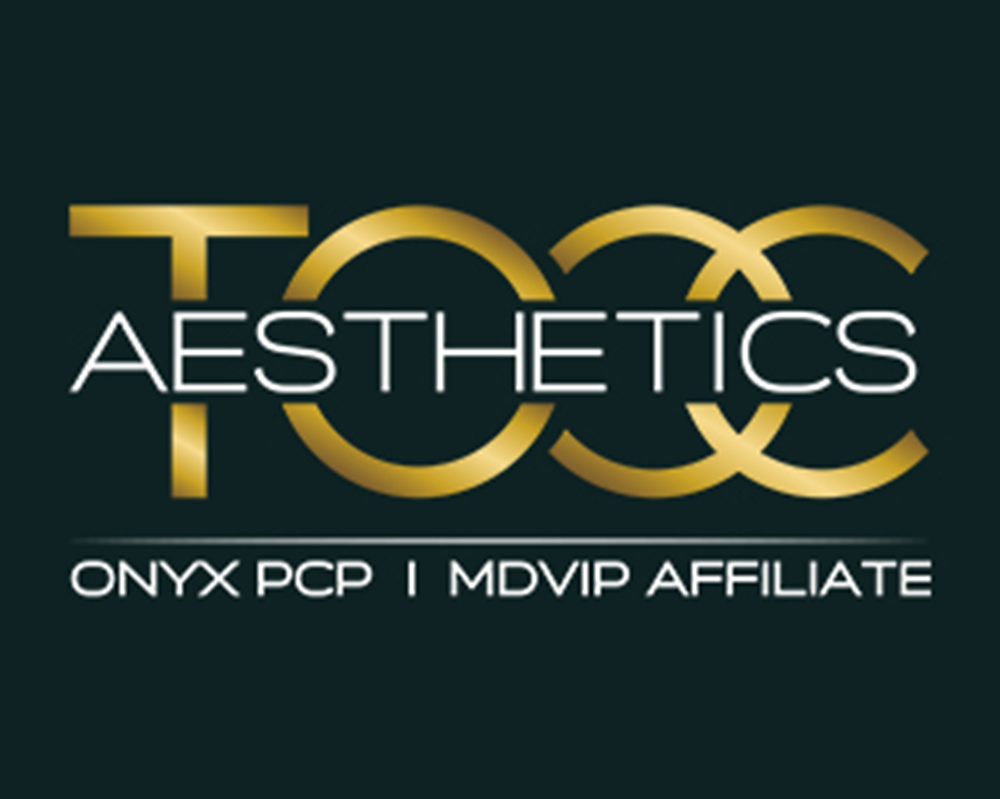 Refined TOCC identity
The rebuilt mark: cleaner, more controlled, and easier to use across every patient touchpoint.
Refined TOCC identity
The rebuilt mark: cleaner, more controlled, and easier to use across every patient touchpoint.
We turned the AI draft into a real medspa identity.
The original logo helped us understand what the client liked, but it did not have enough distinction or polish for a brand asking people to trust its aesthetic and wellness services. We treated it as a creative brief, then rebuilt the identity around clarity, softness, and professional confidence.
- Kept the approachable wellness feel the client wanted.
- Cleaned up the mark so it could work on the website, social profiles, ads, and patient materials.
- Created a direction that felt less like a generated asset and more like a business people could recognize.
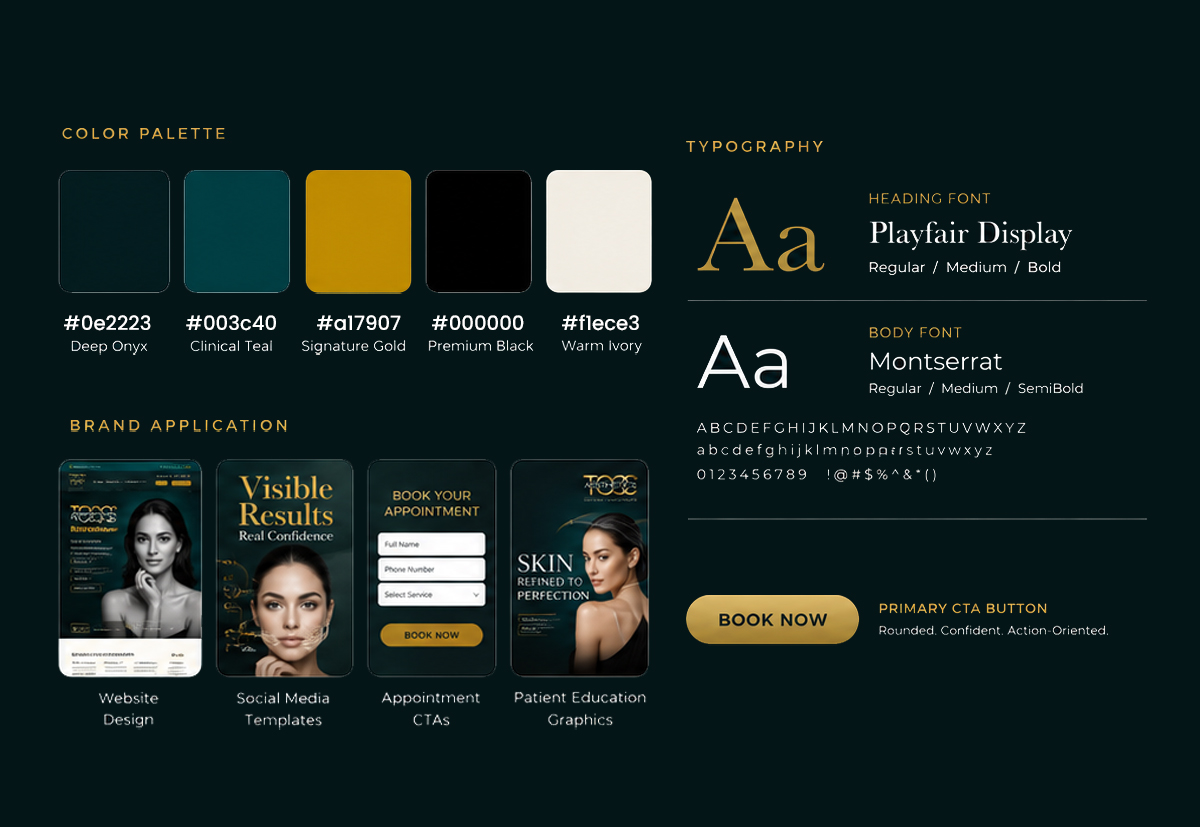
Then we gave the brand a system, not just a logo.
A logo alone does not make the business feel consistent. We built the visual rules around the identity so every next asset could look like it belonged to the same practice: colors, type style, image treatment, spacing, and social-ready brand direction.
- Defined a soft clinical look that feels premium without becoming cold.
- Balanced wellness warmth with the credibility patients expect from medical aesthetics.
- Prepared the visual base for website sections, ads, Instagram posts, Facebook graphics, and offer creative.
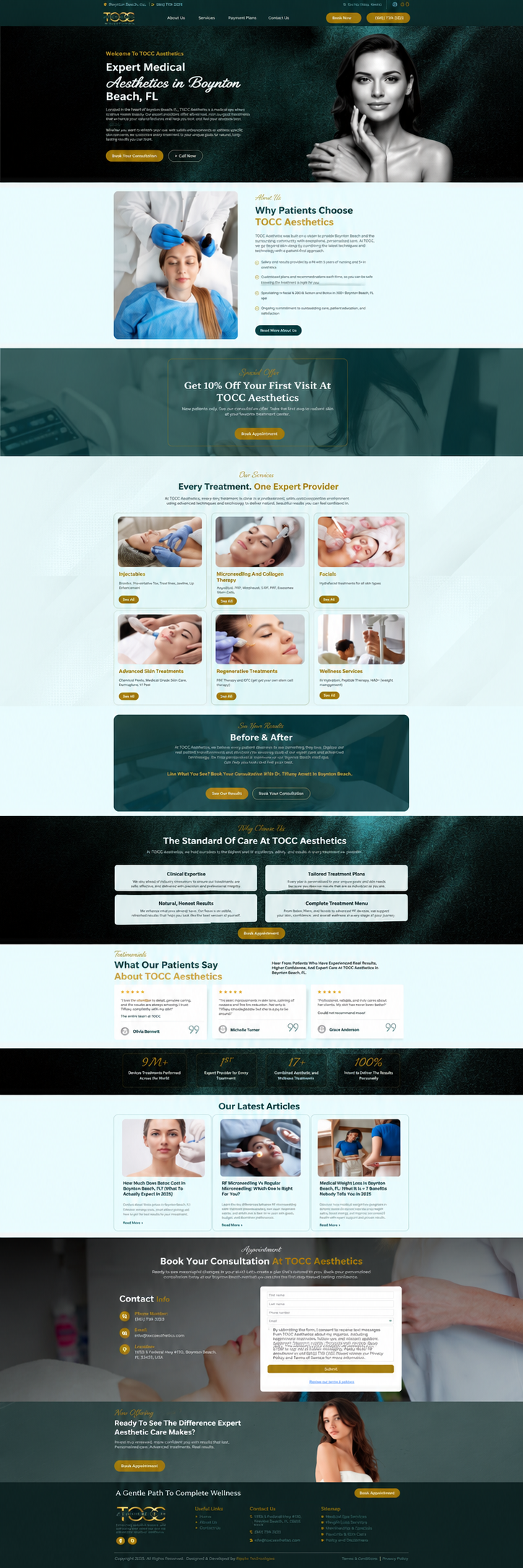

The website became the trust layer for every lead.
Once the identity was stable, the website needed to do more than look polished. It had to explain the practice clearly, guide patients through the services, build trust, and connect every inquiry to the right follow-up system. We structured the website as a complete digital growth platform, not just a simple online brochure.
What Makes Integral Technologists Different
- Built the complete TOCC Aesthetics website from structure to final launch.
- Designed the homepage around patient trust, service clarity, and direct consultation actions.
- Created clear service sections for Botox, microneedling, PRF, chemical peels, wellness, and other core treatments.
- Customized key pages to match the TOCC brand, patient journey, and service goals.
- Made the full website responsive across desktop, tablet, and mobile devices.
- Added chat widget functionality so visitors could connect and ask questions easily.
- Completed on-page SEO setup with optimized headings, page structure, service content, and search-focused messaging.
- Added keyword strategy for core medspa services to support long-term organic visibility.
- Integrated GoHighLevel CRM so leads, forms, follow-ups, and consultations could be managed in one system.
- Connected website forms with automation workflows for faster patient response and lead tracking.
- Optimized the website journey for calls, bookings, and consultation requests.
- Kept the brand consistent across the website, social media, ads, and CRM touchpoints.
- Prepared the website for ongoing SEO growth, paid ads, and digital marketing campaigns.
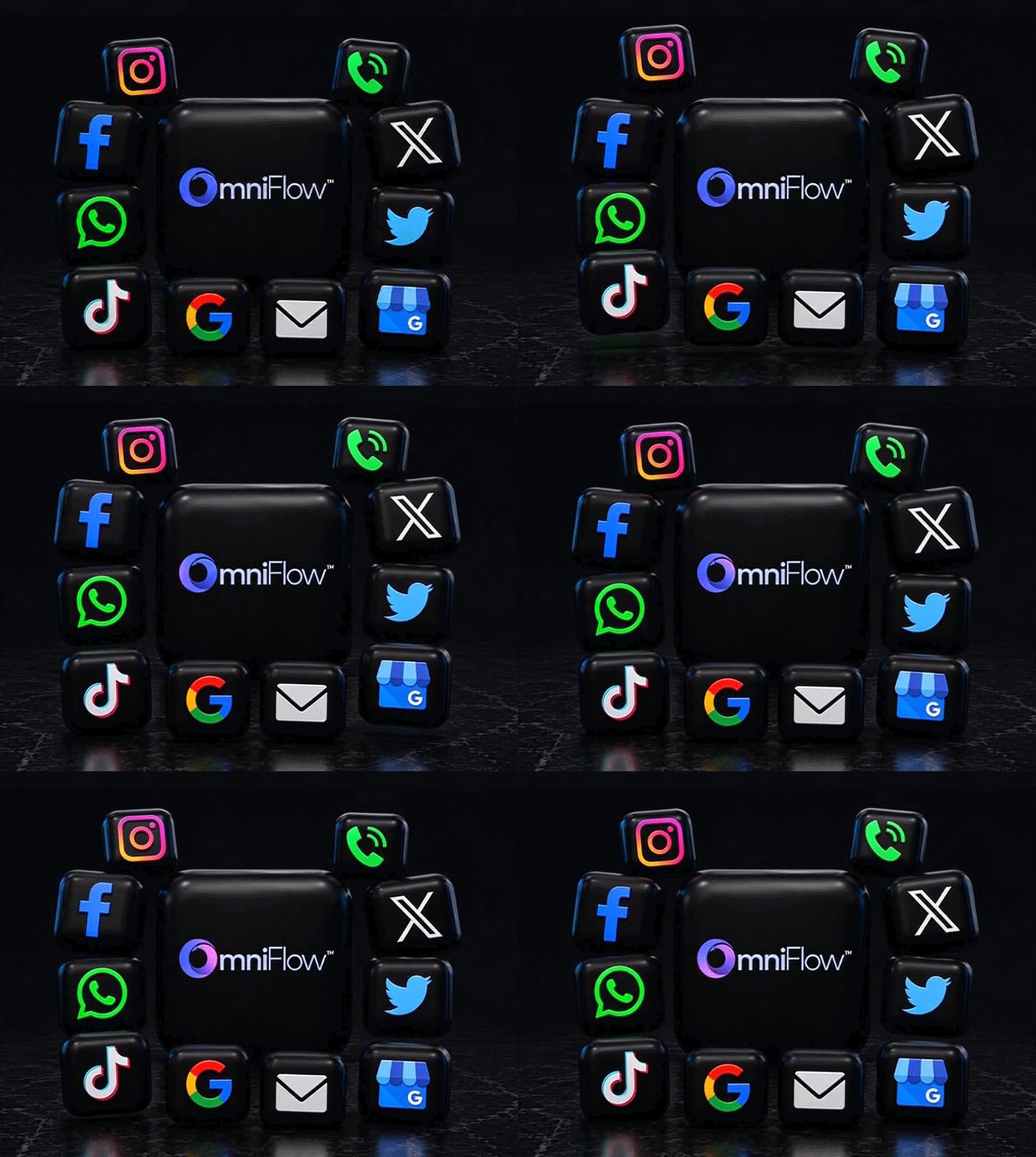
Technology stack block showing the systems behind the public brand experience.
We connected the tools around the customer journey.
The goal was not to collect software. The goal was to make sure a person could discover TOCC, understand the offer, inquire, get followed up with, and move into the right appointment or subscription path with less manual work from the owner.
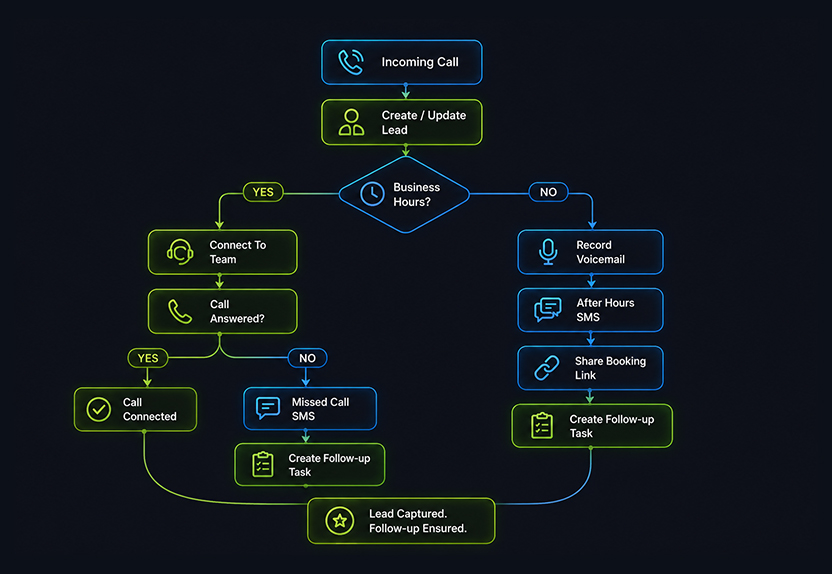
Automation map showing how website, ads, CRM, follow-up, and subscription flow connect.
Finally, we wired the business so leads had somewhere to go.
This is where the project stopped being only a design case study and became an operating system. GoHighLevel gives TOCC a place to capture inquiries, organize leads, follow up, manage the subscription path, and keep the marketing loop connected as Meta ads generate more conversations.
- Website and ad inquiries move into a CRM instead of getting lost across channels.
- Follow-up can be handled with a repeatable process instead of manual reminders.
- The owner gets a clearer view of the business pipeline as the brand grows.
That is the real TOCC Aesthetics story: the client came in with a logo problem, but the work revealed the bigger opportunity. We built the brand, the website, the social foundation, the CRM, the subscription path, and the paid lead generation layer so the business could operate like one connected system.
Want this kind of roadmap for your business?Choose the $50 priority path for a faster start, or use the free contact form if your timeline is flexible.
Get StartedCurrent Outcome
TOCC Aesthetics now has a connected online business foundation: a refined identity, a patient-facing website, social and ad creative direction, GoHighLevel CRM infrastructure, subscription flow support, and active Meta ads feeding the system.
This is still an active growth case study, so this page does not invent booking numbers or revenue claims. The truthful result so far is that the client is happy with the direction, the engagement expanded beyond the original logo request, and the business now has the digital structure needed to support ongoing lead generation. The call, follow up, and booking layer is part of our AI automation services.
Client sentiment, paraphrased from project feedback: TOCC Aesthetics is happy with the direction so far, and the relationship has expanded from logo work into website, CRM, subscriptions, and Meta ads.
Client feedback summaryTOCC AestheticsWhat This Means for Your Business
You do not need to know the whole roadmap before you start. TOCC started with a logo problem. The deeper need became clear once the brand, website, CRM and booking flow, subscription flow, and ads were viewed as one connected business system. That sequence is the same 90 day business setup behind our dedicated med spa marketing system. You can read how a similar approach transformed another clinic in our A Younger You medspa case study.
If you are not sure whether your first problem is the logo, website, social content, CRM, automation, or ads, use the Get Started page to choose priority access or send us your details through the free contact path.
Collage placeholder for Instagram, Facebook, and Meta ad creative examples.
The social layer made the brand feel active after launch.
For a medspa, social media is often the second website. People check Instagram and Facebook before they book, so the visual language had to carry through service education, treatment posts, offers, and ad creative.